
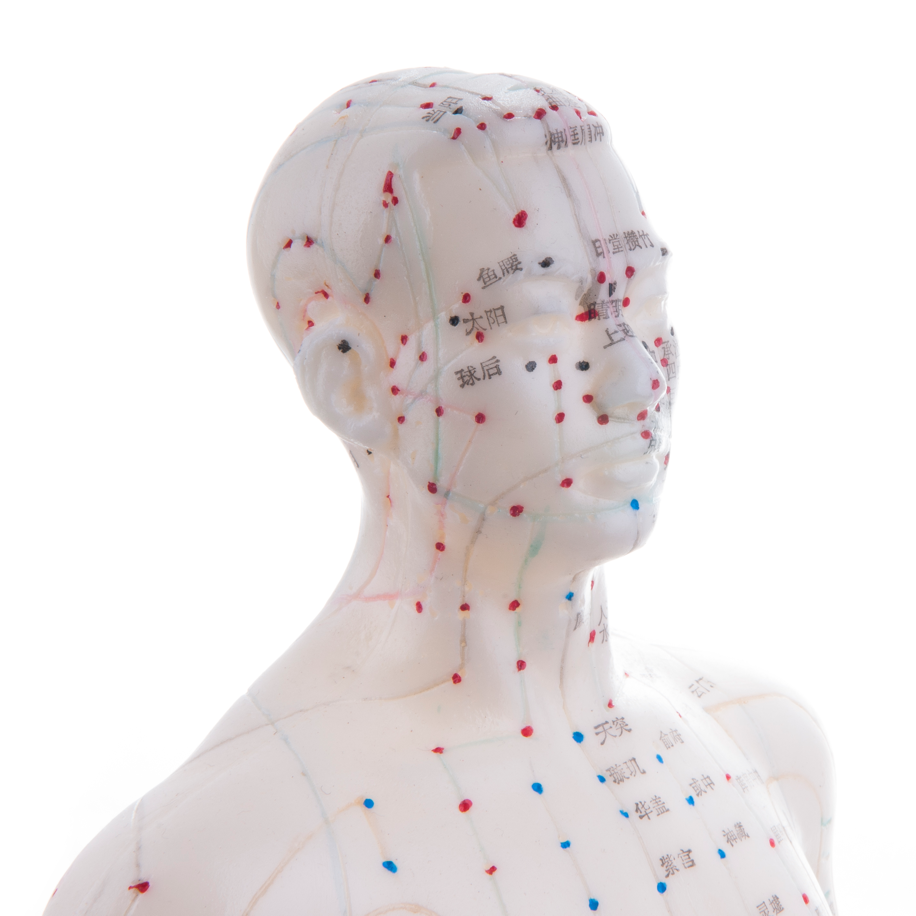
The more I have researched and studied, I became aware of the similarities between Chinese Medicine and Ayurveda, much greater than I had ever been aware of. In fact there is just an emphasis with one or other of these Ancient Medicines being stronger in certain aspects than the other. However, I see them as similar and complementary to each other. Western Medicine at the time of Hippocrates held a similar philosophical base but since a lot of the philosophy has been sadly lost.
With scepticism surrounding events of the last few years, more people are searching for traditional methods of healing. The crucial difference between western medicine and so-called traditional medicines or, as I prefer to call them, Ancient medicines, Chinese Medicine and Ayurveda, their knowledge stretches back thousands of years is treating at the early stage of the ailment. Both are primarily preventative in nature.
Just to clarify the importance of treating at the preventative stage, Ayurveda refers to the six stages of disease:
- Sanchaya – Accumulation, the disturbance starts to accumulate in one area of the body.
- Prakopa- Aggravation, this symptom aggravates and starts to produce an imbalance in that part of the body.
- Prasara- Dissemination, the symptom moves out of its home area and starts to overflow in other parts of the body.
- Sthana Shamsraya – Localisation, of the symptom in a weak spot in the body outside of its own seat and disrupts that dhatu (organ or tissue) outside the original home. The patient still feels very light symptoms such as tiredness, heaviness.
- Vyakti -Manifestation, the functioning of the tissues is disrupted and clear symptoms of disease are displayed.
- Bheda – Disruption, the disease becomes chronic and difficult to treat, an organ plus surrounding tissue will have been affected.
The Manifestation and Disruption stages are the stages most people consider going to the doctor. Unfortunately the disease is then already well developed, the treatment often complex and sometimes so extreme that the medication may treat the disease and give rise to other disturbed symptoms in the body, the so-called side-effects.
The Chinese Medicine doctor will diagnose by checking the appearance of your tongue, the colour and texture, and pulse which reveal any imbalance in your body and your state of health. On the basis of this assessment your Chinese Medicine doctor will know to treat heat, cold, damp or energy stagnation in the meridians which could otherwise lead to disease. The meridians or energy channels throughout our whole body also correspond to the individual organs, hence we have the Lung Meridian, Heart Meridian, Large Intestine Meridian etc. They can be accessed by acupressure or acupuncture points using our fingers or the practitioner applying thin needles to rectify and stimulate the energy or qi flow through the meridians.
Disease is treated as an energy flow disorder which is then rectified by acupuncture or acupressure. Any health disorder will reveal itself energetically long before it produces exterior symptoms. Acupuncture or acupressure is a preventative treatment which, without it, could later manifest as disease. It also works on animals, I have applied acupressure to cats and witnessed relief from symptoms.
I see the ancient medicines as a beautiful example of successful Risk Management! Analyse what could happen, take appropriate mitigation measures to prevent it occurring. In short, preventative!
Anyway, back to medicine!
In China people have always attended acupuncture sessions and consulted for herbal remedies as a preventative action. Herbal treatment for health maintenance would be prescribed according to the predominant one of the five elements characterising the patient’s constitution. In fact in China, it was an accepted tradition that people would take regular preventative treatment and pay for the service, however if the patient became sick, the practitioner would cure the patient free of charge.
Of course, we can all become sick but paying attention to the preventative will mean the eventuality of dis-ease manifesting will be at least less chronic.
The principal ancient medicines practiced are Chinese Medicine and Ayurveda (the “knowledge of life” applied in India and Sri Lanka). There are incredible similarities between the two which is a fascinating aspect to this research.
Of course, there are major ancient medicines practiced elsewhere but in most cases are no longer the dominant medicinal practice in the given countries, for example, Arabic, Persian, Greek (so called Unani). In Egypt and Morocco there is still a knowledge and application of their herbal medicines and treatments. I know from Persian friends that in Iran they have the system I have myself seen in Istanbul of Western Pharmacies and almost an equal number of herbal pharmacies (aktar) in most major streets of the city. A great medicinal philosophy!
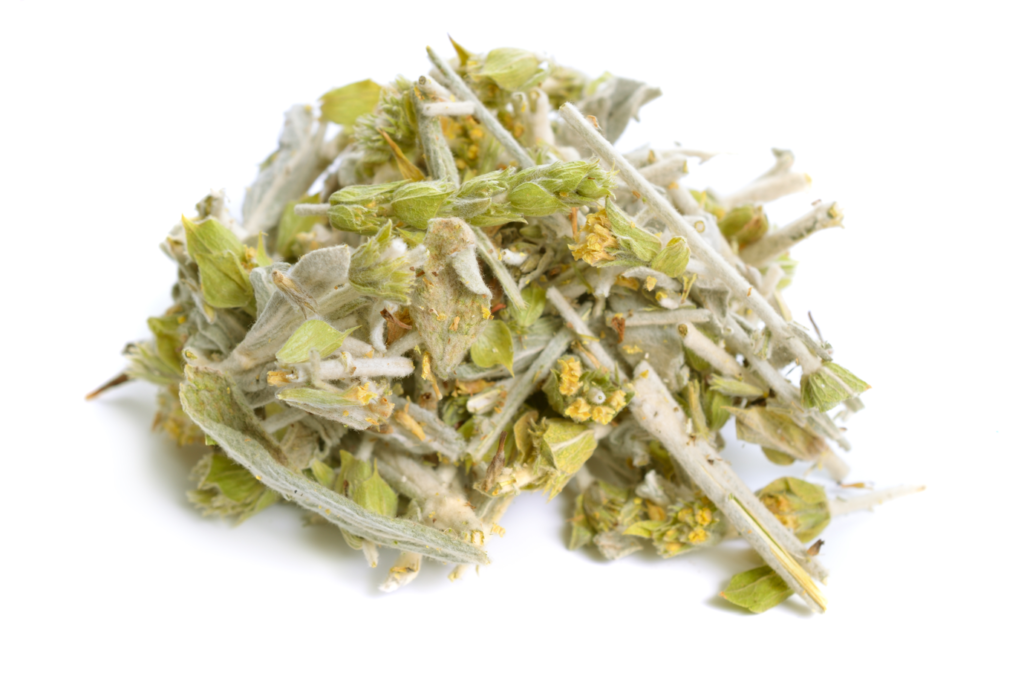
The Greek ancient medicine was comprehensive and is regarded as the forefather of today’s western medicine. Greek herbal medicine is no longer so widespread but the “mountain tea cures almost everything” is truly excellent. I always have some at home!
South America is well known to possess strong traditions in herbal medicine. It’s worth noting both India and Brazil seemed to have had an almost incurable degree of the corona pandemic yet recovered very well and completely. I personally know people who caught and recovered easily from the corona pandemic in Egypt whilst western nations struggled more.
In western countries there is recently an increasing interest in Ayurveda and stores with medicines and cosmetics are appearing in large cities. There are also considerable pockets of interest in Chinese Medicine.
“Foolish the doctor who despises the knowledge acquired by the ancients” – Hippocrates
Hippocrates was considered the father of medicine and his philosophy was very close to the that of Chinese Medicine and Ayurveda and to this day all qualifying doctors must swear by the Oath of Hippocrates. It is worth noting, especially in these times, that some essential changes have been made to the original:
The Classic Hippocratic Oath
“I swear by Apollo the physician, and Aesculapius the surgeon, likewise Hygeia and Panacea, and call all the gods and goddesses to witness, that I will observe and keep this underwritten oath, to the utmost of my power and judgment.
I will reverence my master who taught me the art. Equally with my parents, will I allow him things necessary for his support, and will consider his sons as brothers. I will teach them my art without reward or agreement; and I will impart all my acquirement, instructions, and whatever I know, to my master’s children, as to my own; and likewise to all my pupils, who shall bind and tie themselves by a professional oath, but to none else.
With regard to healing the sick, I will devise and order for them the best diet, according to my judgment and means; and I will take care that they suffer no hurt or damage.
Nor shall any man’s entreaty prevail upon me to administer poison to anyone; neither will I counsel any man to do so. Moreover, I will give no sort of medicine to any pregnant woman, with a view to destroy the child.
Further, I will comport myself and use my knowledge in a godly manner.
I will not cut for the stone, but will commit that affair entirely to the surgeons.
Whatsoever house I may enter, my visit shall be for the convenience and advantage of the patient; and I will willingly refrain from doing any injury or wrong from falsehood, and (in an especial manner) from acts of an amorous nature, whatever may be the rank of those who it may be my duty to cure, whether mistress or servant, bond or free.
Whatever, in the course of my practice, I may see or hear (even when not invited), whatever I may happen to obtain knowledge of, if it be not proper to repeat it, I will keep sacred and secret within my own breast.
If I faithfully observe this oath, may I thrive and prosper in my fortune and profession, and live in the estimation of posterity; or on breach thereof, may the reverse be my fate!”
The Revised Hippocratic Oath
“I swear to fulfill, to the best of my ability and judgment, this covenant:
I will respect the hard-won scientific gains of those physicians in whose steps I walk, and gladly share such knowledge as is mine with those who are to follow.
I will apply, for the benefit of the sick, all measures [that] are required, avoiding those twin traps of over-treatment and therapeutic nihilism.
I will remember that there is art to medicine as well as science, and that warmth, sympathy, and understanding may outweigh the surgeon’s knife or the chemist’s drug.
I will not be ashamed to say “I know not,” nor will I fail to call in my colleagues when the skills of another are needed for a patient’s recovery.
I will respect the privacy of my patients, for their problems are not disclosed to me that the world may know.
Most especially must I tread with care in matters of life and death. If it is given me to save a life, all thanks. But it may also be within my power to take a life; this awesome responsibility must be faced with great humbleness and awareness of my own frailty.
Above all, I must not play at God.
I will remember that I do not treat a fever chart, a cancerous growth, but a sick human being, whose illness may affect the person’s family and economic stability. My responsibility includes these related problems, if I am to care adequately for the sick.
I will prevent disease whenever I can, for prevention is preferable to cure.
I will remember that I remain a member of society, with special obligations to all my fellow human beings, those sound of mind and body as well as the infirm.
If I do not violate this oath, may I enjoy life and art, respected while I live and remembered with affection thereafter.
May I always act so as to preserve the finest traditions of my calling and may I long experience the joy of healing those who seek my help.”
The Oath has been updated many times omitting the role of the Greek gods. However, food for thought: the new version seems fine until you refer back to the original which contained the sentence I italicised and made bold, yet is also no longer included in the current oath. Just food for thought…
A latest proposal is to introduce adaptations to the newest technological advances:
“I will remember that I do not treat a fever chart, a cancerous growth, a data point, or an algorithm’s suggestion, but a human being.”
Meskó B, Spiegel B
A Revised Hippocratic Oath for the Era of Digital Health
J Med Internet Res 2022;24(9):e39177
URL: https://www.jmir.org/2022/9/e39177
DOI: 10.2196/39177
God help us from being treated according to an algorithm’s suggestion!
1 thought on “The True Benefits Of Chinese Medicine And Ayurveda And The Phenomenal Overlaps Between The Two, A Divine Knowledge”
Hi, this is a comment.
To get started with moderating, editing, and deleting comments, please visit the Comments screen in the dashboard.
Commenter avatars come from Gravatar.