
The Huang Di Nei Jing (黃帝內經), the Yellow Emperor’s Medical Classic dating back to ca 200 BC is the most important and most ancient written medical reference classic for Chinese Medicine. Regarding herbal remedies, initially only 12 prescriptions and 28 substances were mentioned. By 1596 Li Shi-Zhen had produced over a period of 27 years a compilation of 1,892 medical substances and 11,000 herbal formulas.
The interpretation of herbal treatment in Chinese Medicine differs from the Western concept of treating symptoms or disease, Chinese herbal medicine is applied to patterns of disharmony.
Determining factors include taste definition, temperature and location or the entering meridian.
“Hot diseases must be cooled; cold diseases must be warmed” – Huang Di Nei Jing, Chapter 74
Temperature is divided into five categories in Chinese Medicine: hot (re), warm (wen), neutral (ping), cool (liang) and cold (han).
Herbs are assigned to one or more tastes and the taste of the herbs determines its therapeutic action, these tastes being bitter, sweet, spicy, salty and sour.
Herbs also have a time application normally to be taken for the duration of the imbalance.
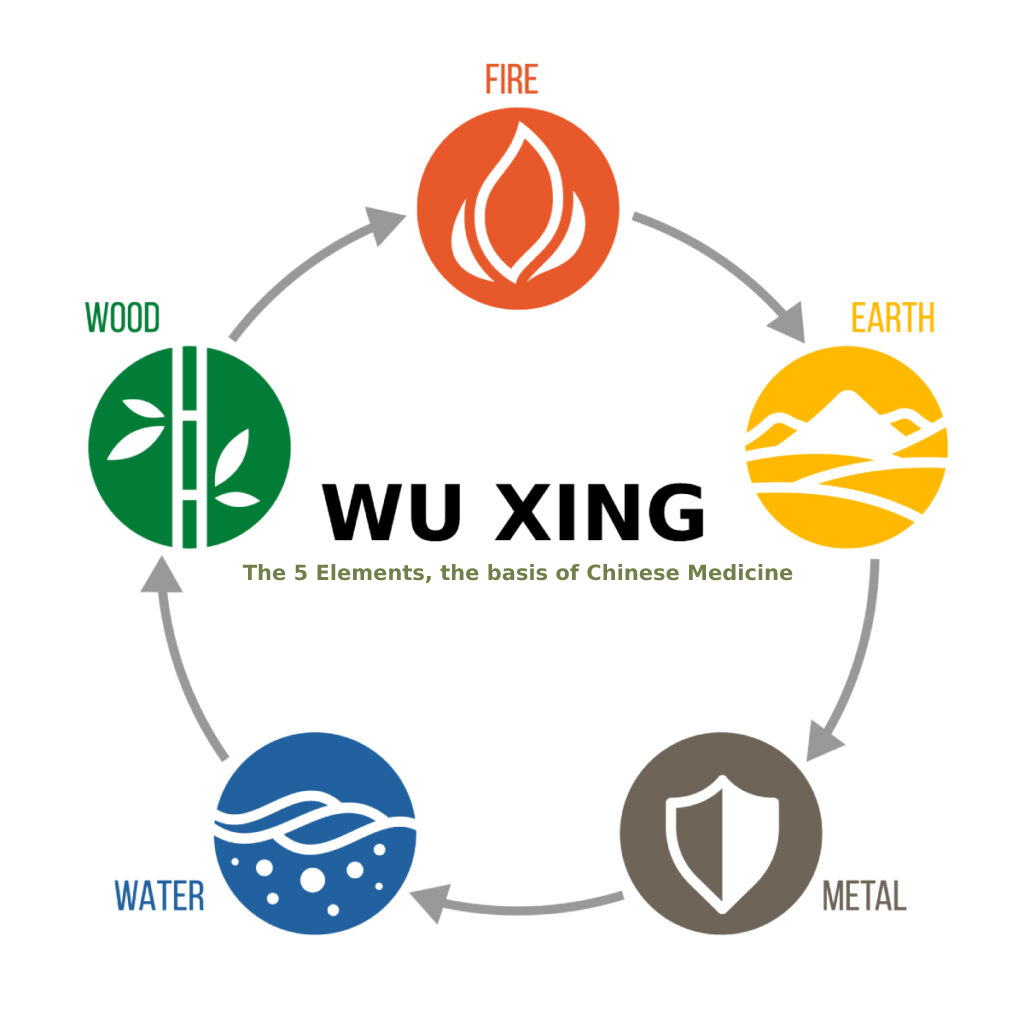
BITTER is the taste of FIRE
It has a downward movement, dries, clears heat and guides qi to the heart and stomach. Bitter and cold herbs treat conditions of damp-heat and bitter and warm herbs treat conditions of cold-damp. Bitter is a difficult taste to acquire as bitterness is inherently associated with a warning of toxicity.
To understand these very Chinese medical symptoms: damp-heat according to the Four Levels Theory is the first level of invasion of external pathogens when they still reside in the exterior. The beginning of sickness, a feeling of heaviness of the body and rising body temperature in the afternoon.
Damp-heat symptoms depend on which of the Zang Fu pair organs manifests its symptoms:
- In the stomach-spleen, it may give rise to fullness, nausea, loss of appetite, loose stools or scanty urination.
- If damp-heat enters the liver-gallbladder, it may result in cramps in the liver area, bitterness in the mouth, fever or aversion to cold.
- In the kidney-bladder, it can cause frequent urination with a burning sensation, fever and dry stools. In the large intestine, it gives rise to diarrhea, bloody stools, a burning anus and thirst.
- Finally in the meridians or joints, it may result in joint stiffness, aversion to cold, thirst and a cold body.
Cold-damp, often caused by exposure to cold-damp conditions or if it is manifested internally, may be a spleen disfunction, as the spleen is responsible for the transformation and transportation of bodily fluids. If the cold-damp enters the interior, it may result in joint pain or stiffness.
An example is Gentiana Scabra or Japanese Gentiane which is applied similarly to an antibiotic in Western Medicine. Oregon grape root is found in western herbalism and contains berberine known to alleviate rheumatoid arthritis. Berberine is also able to lower blood sugar and improve heart health.
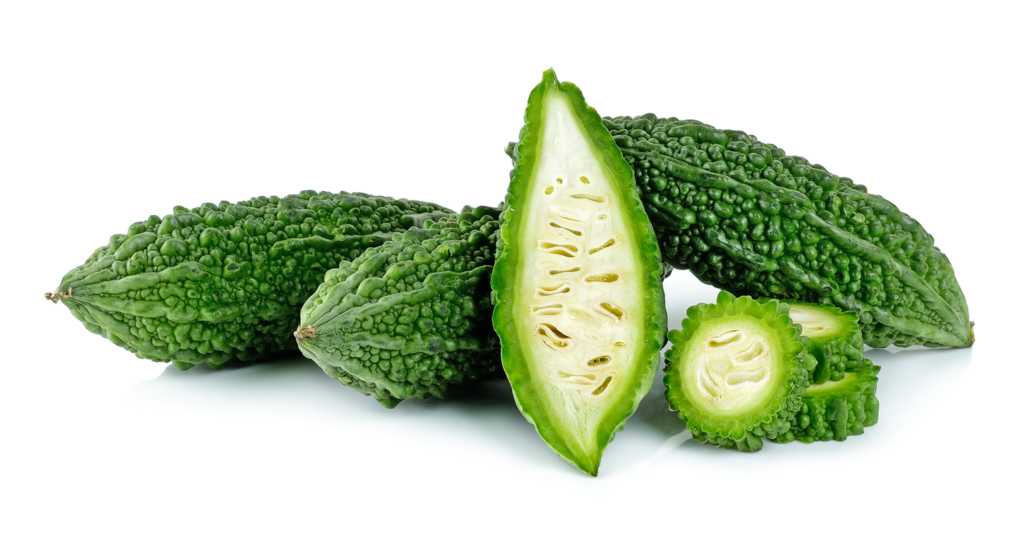
Bitter melon
Berberine
SWEET is the taste of EARTH 
Sweet tonifies, moistens, harmonises and guides qi to the spleen. In Chinese Medicine, sweet in the diet refers to grains such as rice and millet, also carrots, parsnips, sweet potatoes and also meat. The sweet taste is pleasant and nourishing, enjoyable to eat. Even the sweet herbs are somehow delicious and include licorice, astragalus and jujube red dates. Sweet in Chinese medicine refers to natural, wholesome sweet not refined sugar products we normally associate with sweet.
A sweet herb of significant importance, astragalus or in Chinese, Huang-qi is an extremely comprehensive herb with a wide range of benefits. It enters the lung and spleen meridians and is ascendant in its movement.
Primarily it protects against mental and physical stresses, against cell death with protection against free radicals and oxidation. Astragalus is most importantly an anti-inflammatory herb. Since most disease stems from inflammation, astragalus can minimise the inflammatory response and can alleviate arthritis and also protect the cardiovascular system, reducing blood pressure and lowering dangerous levels of triglycerides. The root of the astragalus plant is used medicinally and extracted from a 4+ year old plant.
A timely benefit worth noting is the ability of Huang qi to alleviate myocarditis, unfortunately prevalent, a chronic inflammation of the heart muscle reducing the heart’s ability to pump blood!
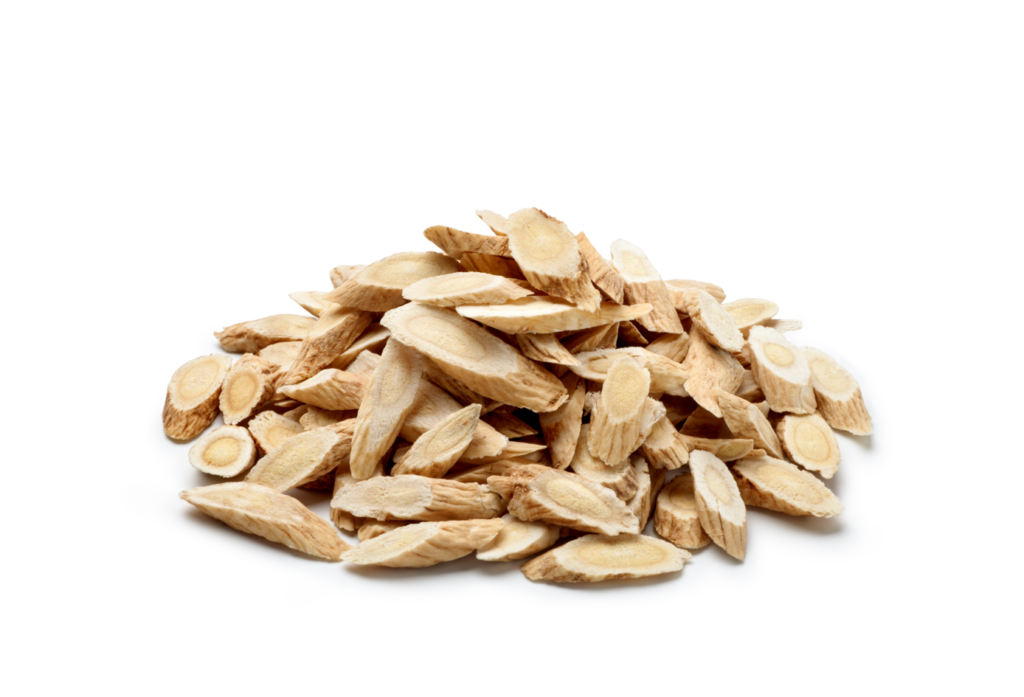
Huang Qi – Astragalus
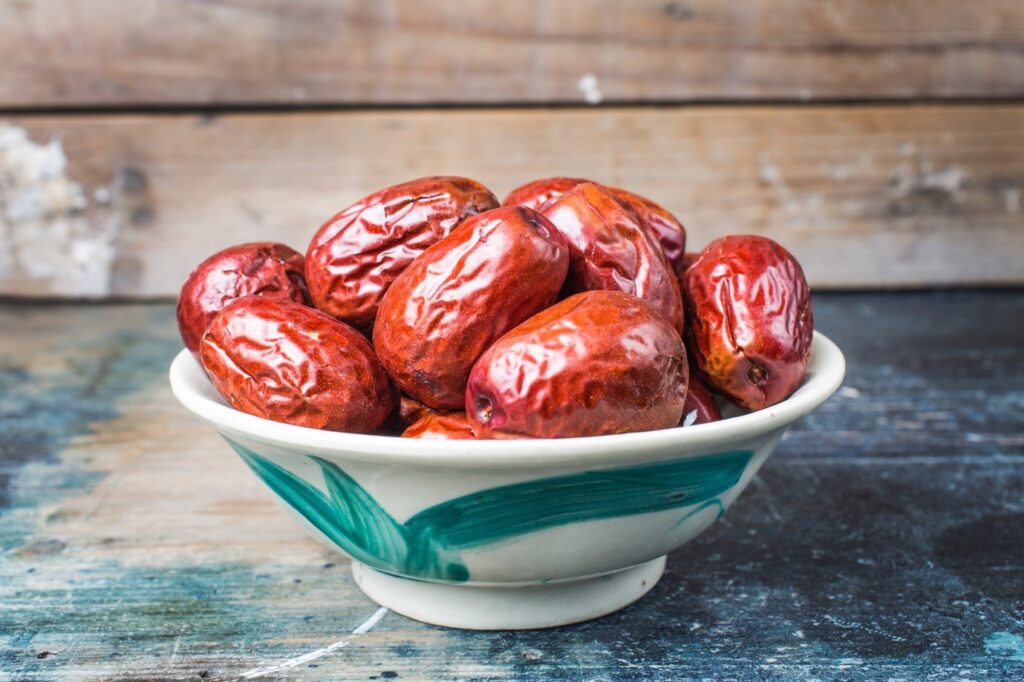
Jujube red dates
PUNGENT is the taste of METAL 
Pungent is used in cases of stagnation of qi, blood or other bodily fluids. It dispels pathogenic factors to the exterior layers of the body and promotes sweating to exteriorise the pathogen. It guides qi to the lungs.
Spicy or pungent, also classified as acrid, will produce a burning effect like eating chillis. As the nose is the sensual organ of the Metal element, acrid can refer to smell or taste. Pungent herbs are taken for sinus disorders and lung congestion. Soreness due to overuse or injury of muscles, menstrual cramps from blood stagnation. Rosemary is an pungent herb which brings clarity and alertness to the brain.
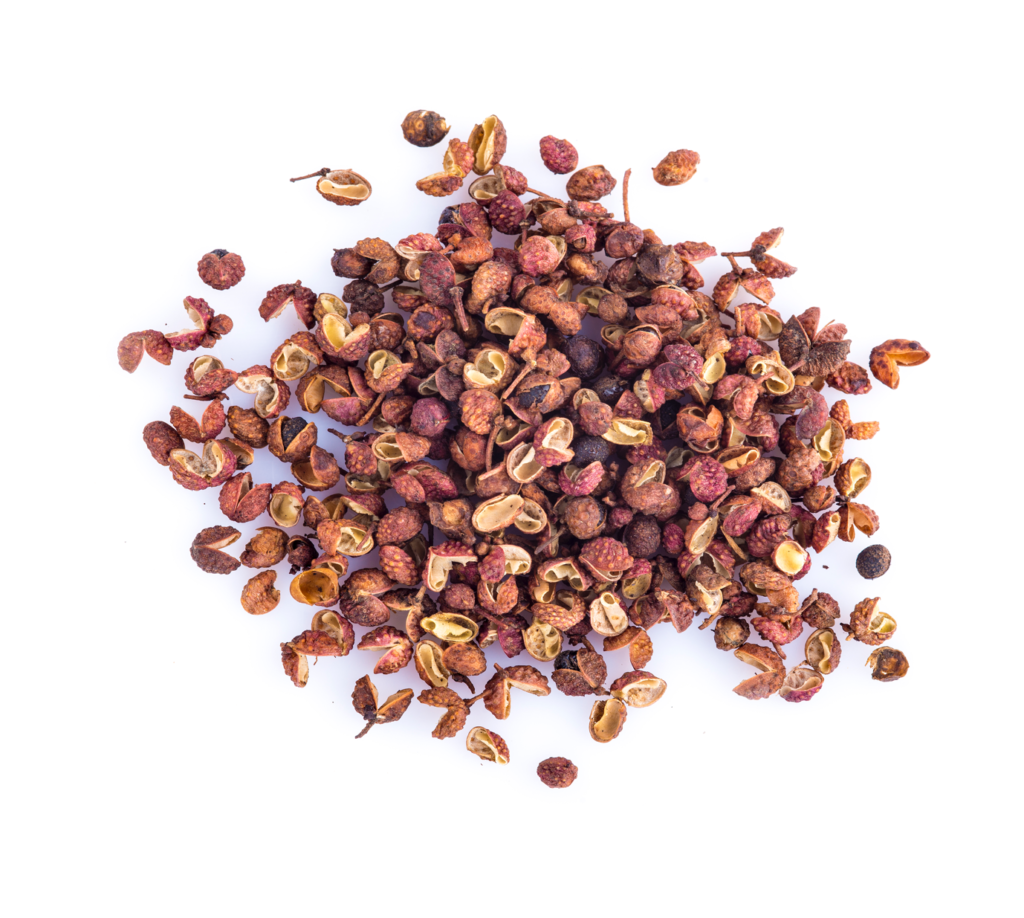
Other pungent herbs include peppermint, cinnamon, Sichuan pepper and ginger.
Sichuan pepper
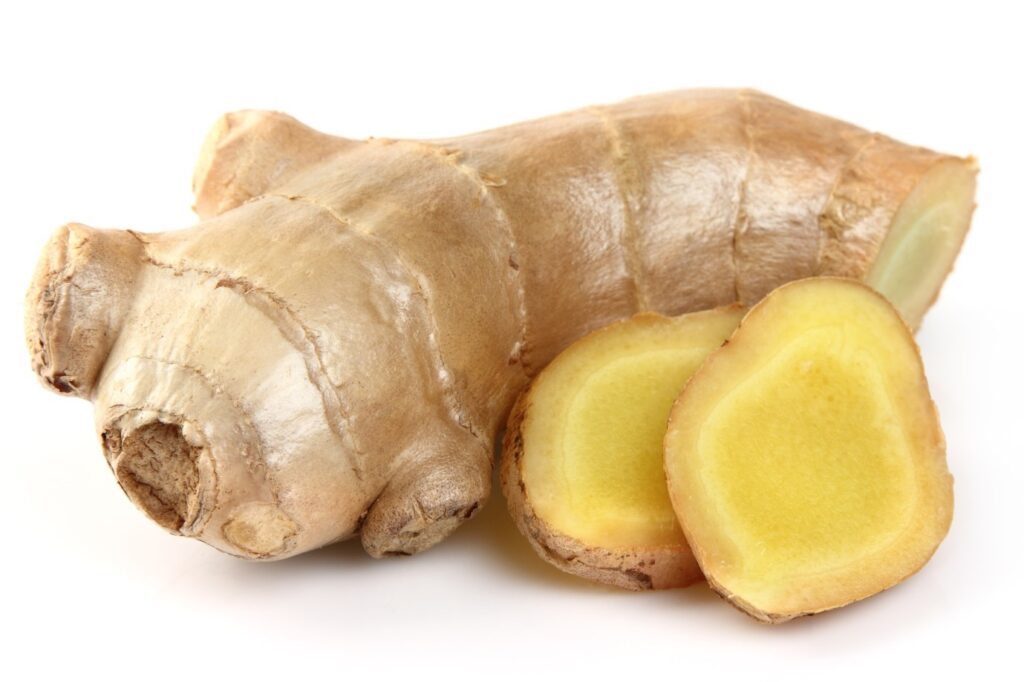
Ginger
SALTY is the taste of WATER
Salty softens hardness or stagnation and purges accumulations. It guides qi to the kidney. Much of animal products such as extracts from oyster shells or bones, also minerals are considered to be salty and supplement kidney yang or kidney essence or jing. Kelp and brine vegetables are salty foods and nettle is an example of a salty herb which is known to be beneficial to urinary disorders; salty pertaining to the kidney and bladder meridians.
Salty is beneficial in calming the mind and spirit.
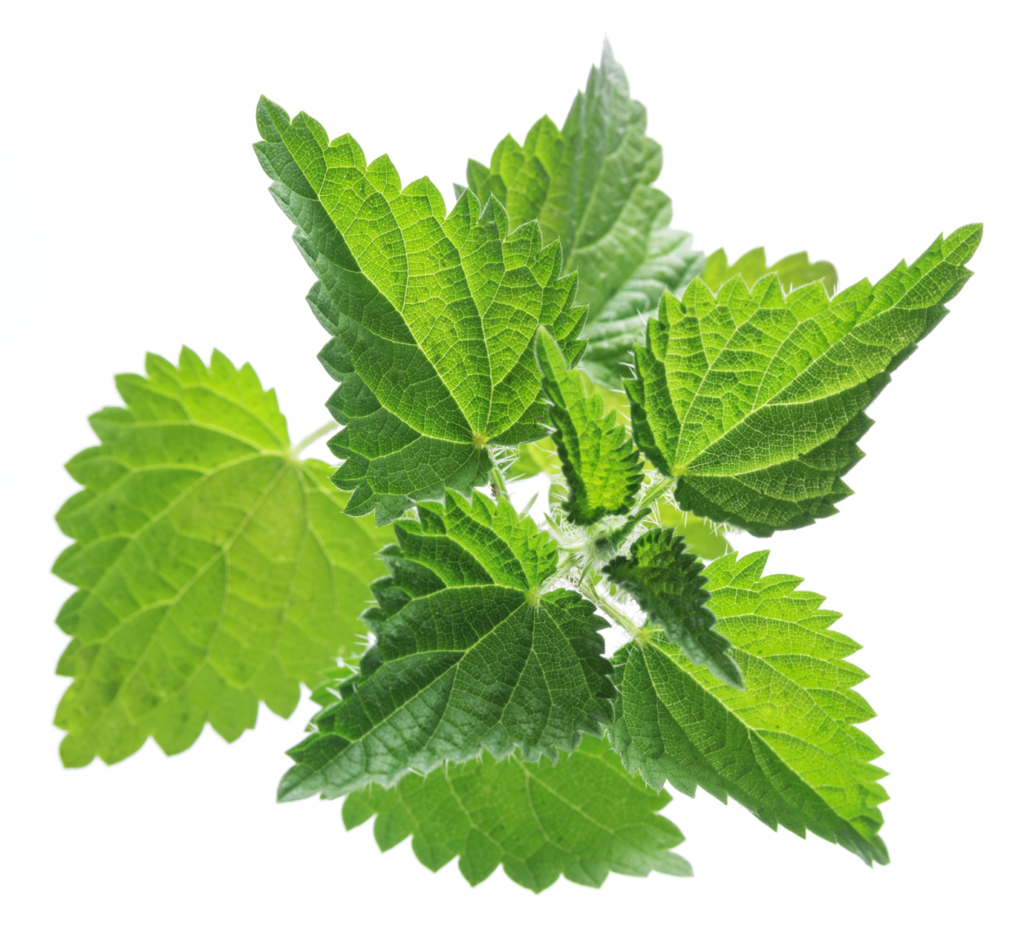
Nettle
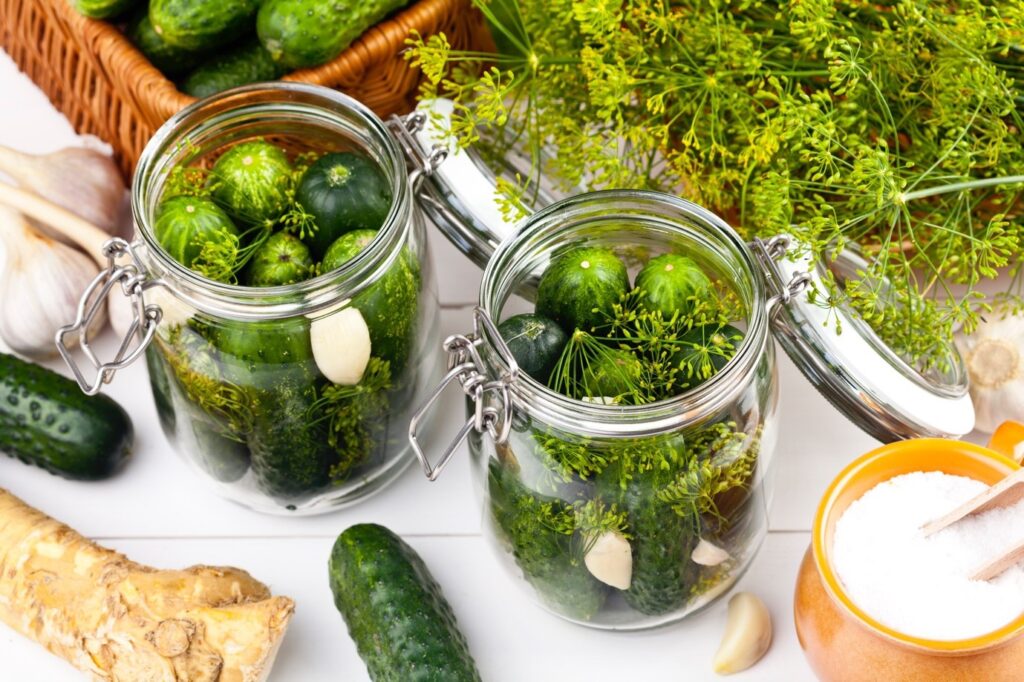
Brine cucumbers
SOUR is the taste of WOOD
Sour as its element wood has an upward and outward movement performing an astringent action on leaking of bodily fluids from sweating to diarrhea or vaginal discharge. It guides qi to the liver. In case of overwork or undernourishment the liver can become exhausted. The sour taste can preserve and restore liver functions of nourishing the blood and softening ligaments and tendons.
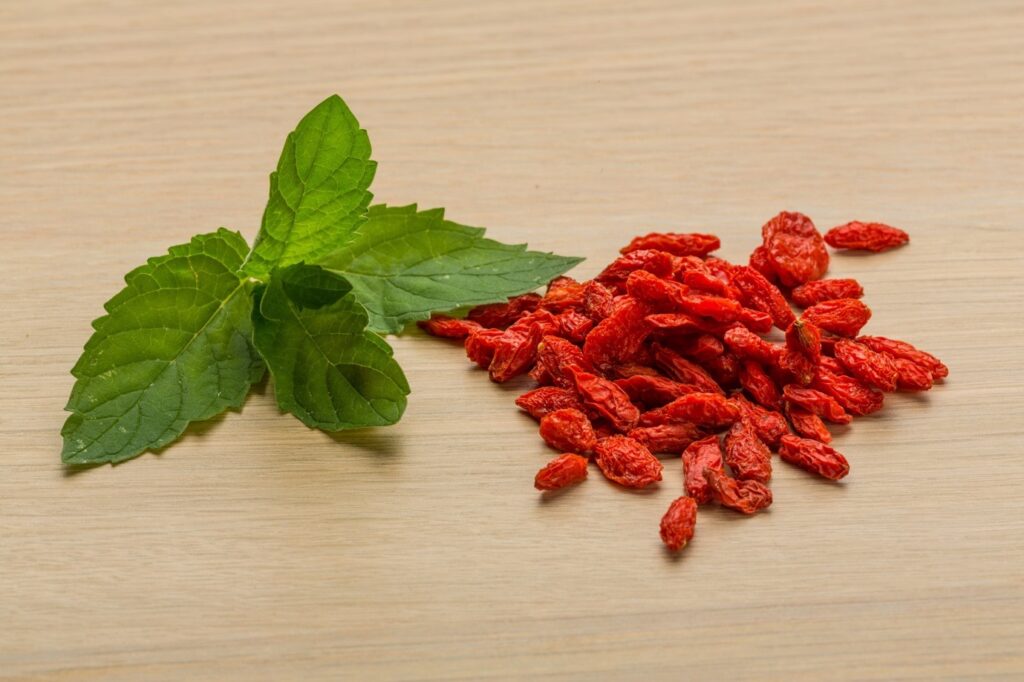
Peony root is an example of a sour herb which is anti-inflammatory, applied in dermatological disorders and is known to be anti-bacterial, relieves itchiness and moisturises. Dogwood fruit tonifies the liver, relieves frequent urination and treats excessive sweating. Schisandra decreases inflammation by managing cortisol the stress hormone, supports the adrenal functions, improves the liver function and protects the skin which is dependent on a healthy liver. The skin is the exterior display of the state of health of the liver.
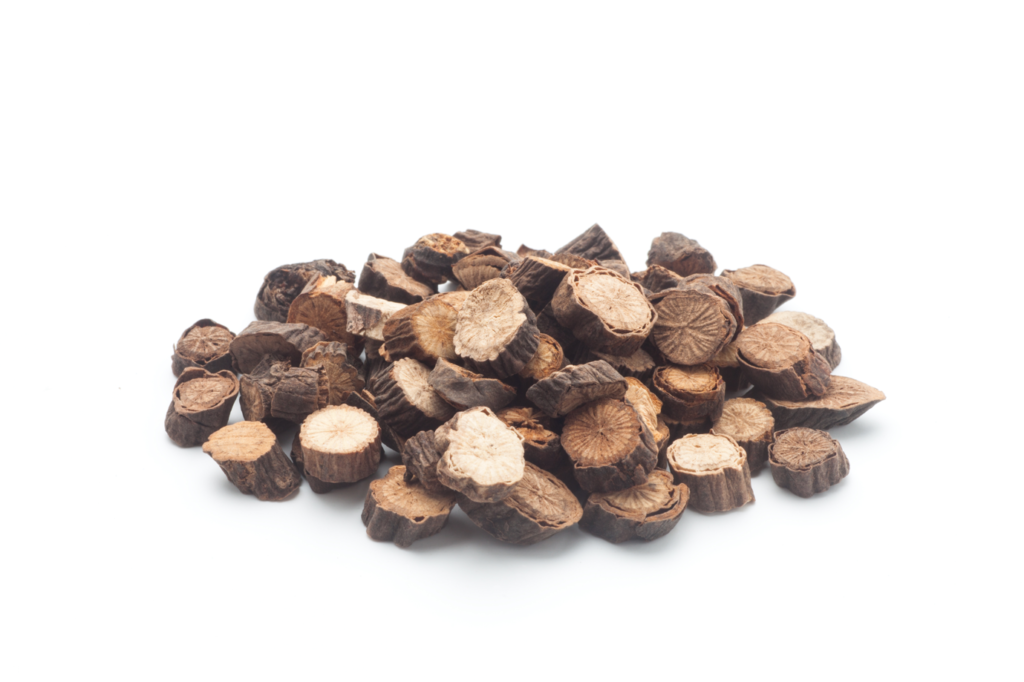
Peony root
Schisandra
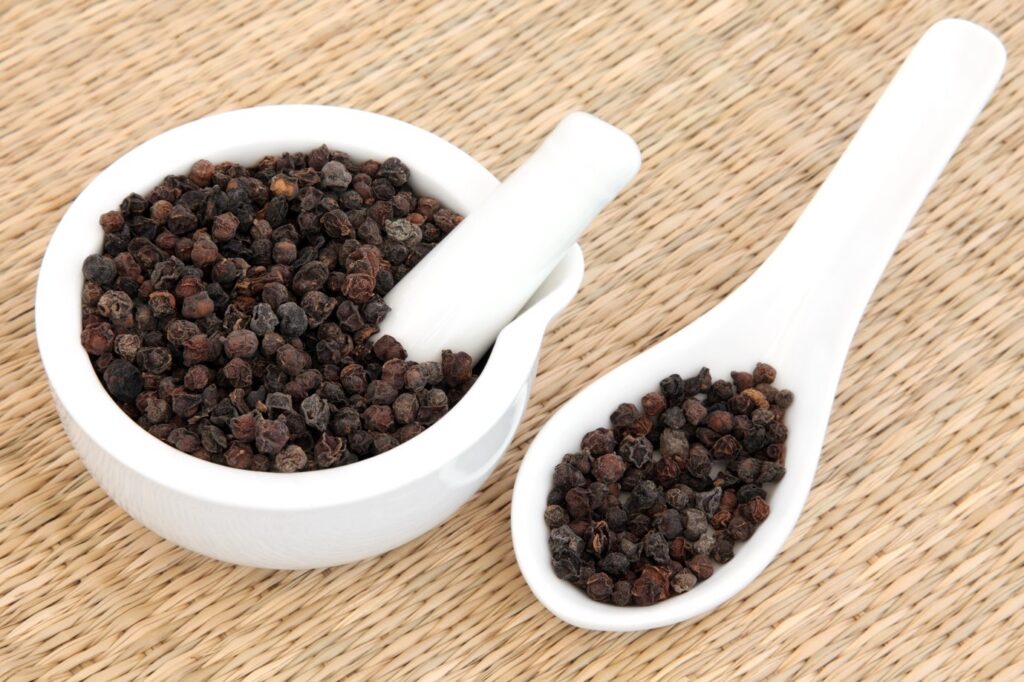
To conclude, the best way to maintain our own health and wellbeing is to incorporate all five flavours into a main meal even just by the spices added. For example, turmeric combined with a little black pepper helps cleanse the blood.
Most full meals will be sweet in the nourishing sense of the word, however by adding some olives, rocket salad or cucumber in brine, you can easily introduce some sour, bitter and salty qualities. As each bodily constitution is different, a balanced meal containing a selection of the elements is ideal and according to Chinese Medicine will ensure you do not feel hungry after dinner. Your organism will be better supported and any ailments which affect us all from time to time will only need to be supplemented by some appropriate herbs.