
In Chinese Medicine, there are 5 pillars of medicine: acupuncture (including acupressure), Moxibustion, Tuina, Chinese Herbal Medicine, Qigong (including Tai Chi Chuan).
One of the first detailed books on herbs in Chinese Medicine dates back to 220AD during the Han Dynasty. The Chinese attached great importance to healing and strengthening foods and anti-aging herbs including dates, grapes, sesame and lotus seed. Also soups, meats and wines but especially fruits, vegetables, grains and herbs each defined by their temperature, taste and healing properties.
The spleen, stomach, large and small intestines constitute the main part of the digestive system and access the lung and heart meridians. The spleen is primarily transformative and any non beneficial nutrition can disrupt the qi. Excessive consumption of very cold food, over spicy, fatty or sweet foods can upset the qi flow for all of the 5 element constitution types. It goes without saying, a little of each of those in balance is not problematic.
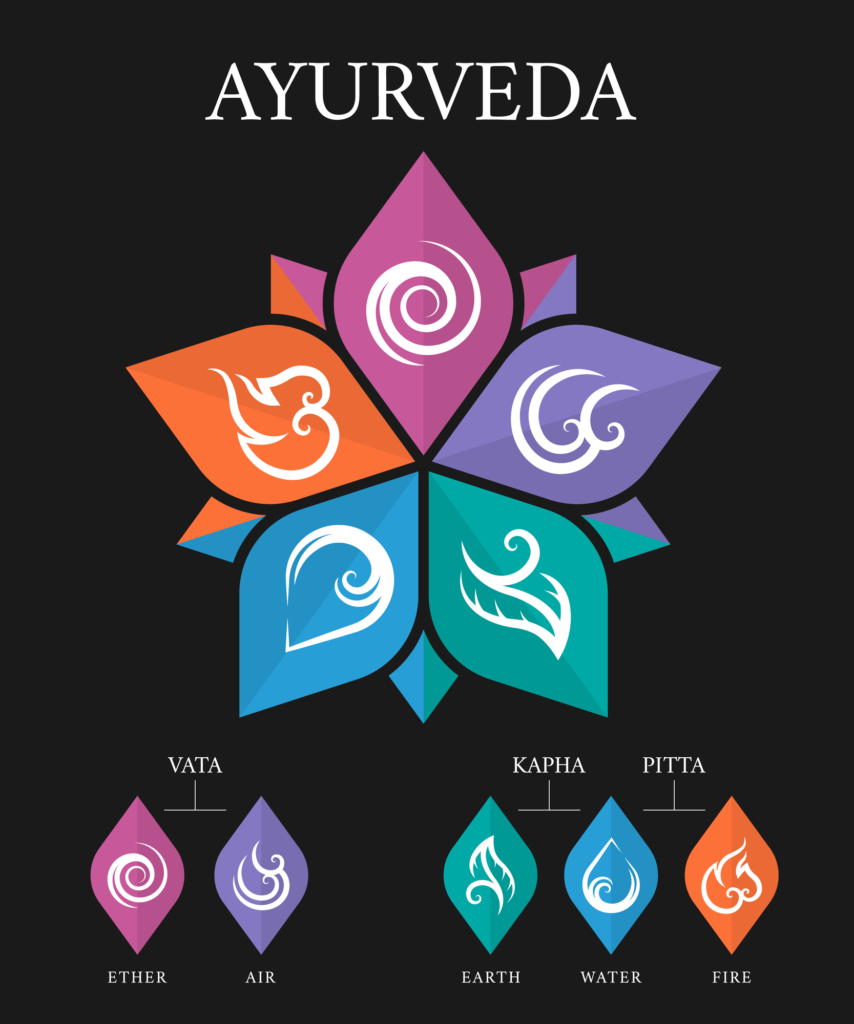
Chinese nutritional advice is based on the constitution type of the individual related to the 5 elements, those being: wood, fire, earth, water and metal. In Ayurveda there is a similar concept with the elements: ether (space), air, fire, water and earth.
Starting with the Chinese Medicine application of nutritional advice according to the element:
WOOD
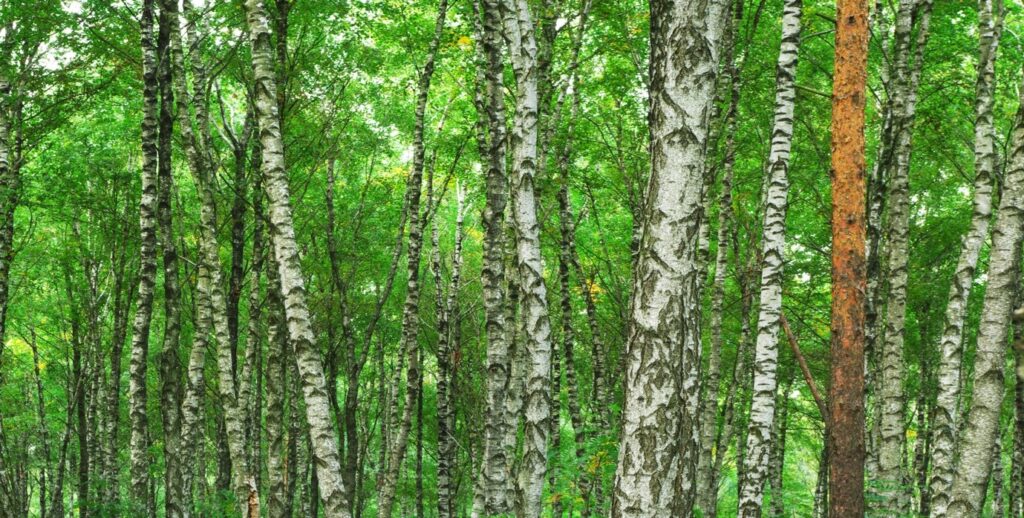
The Wood element in Chinese Medicine is linked to the zang fu partner organs, liver and gallbladder. The liver is responsible for detoxification, nourishment and storage of blood, also for the blood and qi flow around the body.
If the liver meridian is out of balance, it may cause liver qi and blood stagnation. I know this from my own experience – it led to painful menstruation, PMT and endometriosis.
A useful herb to stimulate liver qi stagnation is Bupleurum, a yellow flowered, woody plant. It supports the gallbladder to relieve irritability arising from Liver qi stagnation. Interestingly in Europe, herbal medicine recommended another yellow flower for PMT, namely evening primrose.
For women with a liver qi stagnation which leaves the menstrual cycle a painful experience accompanied by PMT – pre-menstrual tension with sensitive breasts, Chinese Medicine recommends Cyperus to calm these symptoms.
Of course, the wood constitution will benefit from movement, whether dance, running, yoga or tai chi, whatever inspires you! Also a balanced lifestyle between hard work and relaxation including sufficient sleep will help. This may be enhanced by relaxing breathing exercises or pranayama.
Regarding diet, the liver does an excellent job of detoxing and dealing with contaminated food, pesticides and pollution. However in a case of consumption of excessive fatty fried foods, your liver may not handle the problem so easily. In this case a detox will help to deal with a stagnant liver qi.
In case of a liver with qi stagnation, Chinese medicine recommends green leafy vegetables: Brussel sprouts, cabbage, spinach and beetroot. Mint tea is also useful.
To clear dampness or heat, it is recommended to drink water with lemon, lime or grapefruit added or green tea. Asparagus and dried beans are also helpful. Important is to steer away from foods which burden your liver, enabling the liver to restore its natural healthy functions.
Do not deny yourself sleep even if you have this tendency to overwork and forget to relax. Be sure to enjoy sufficient sleep.
FIRE
The Fire element in Chinese Medicine is linked to the heart which regulates the cardiovascular system- the heart itself, the blood vessels and blood which flows through them. The heart is also regarded as the home of Shen, the spirit and so is responsible for the functioning of the nervous system.
Fire constitution people should focus on nurturing their nervous system with meditation, relaxation and stretching exercises.Particularly for fire types, it is important to wind down before going to sleep. Since evening is a yin period, you should engage in relaxing activities and allow 3 hours to wind down after the last meal of the day. If your surroundings allow, it would be good to take a short walk before sleeping.
In very hot weather, if you cannot avoid it, drink plenty of water and also take some bitter foods such as rocket leaf or rucola, as it is also known. Such bitter foods are believed to have a cooling effect in Chinese Medicine. Red coloured foods are also beneficial for Fire types such as tomatoes, red capsicum, raspberries, strawberries and watermelon. Watermelon especially cools heat.
EARTH 
The Earth element in Chinese Medicine is said to be governing digestion and the Spleen-Stomach functions. Especially in stress, it is important to pay attention to the Earth element of your body.
Citrus peels alleviate digestion disorders such as burping, bloating, feeling of fullness and nausea. They restore the natural qi flow in the digestive system.
Anise, cinnamon, cardamom and ginger when incorporated into cooking will also prove beneficial to Earth types. It is preferable to avoid foods and drinks directly from the refrigerator and consume it at room temperature or warm. The colour yellow is associated with the Earth element in Chinese Medicine so yellow foods such as corn, pumpkin, carrots, sweet potato and yellow paprika are beneficial to your digestive system. Avoid excess of sweetness as this can cause nausea and bloating and upset the spleen as part of the digestive system. Fermented foods will help maintain the balance between sweet and sour.
Meditate to avoid overthinking and go for walks, if possible include some walking barefoot on grass or sand to absorb the earth’s energy, depending on what is available for you.
METAL 
The Metal element is associated with the Lung organ in Chinese Medicine and not the lung alone but also the throat, nose and skin, in fact all means of breathing in qi from the atmosphere.The lung meridian transports what is referred to as defensive qi which flows just below the surface of the skin, defined as external in Chinese Medicine. It is the equivalent of the Western Medicine’s immune system in its function. If the defensive qi is flowing as it should, you will be less susceptible to colds and flu. If the Metal element becomes unbalanced there is a tendency to pick up colds and suffer from respiratory conditions.
Beneficial therapies include abdominal deep breathing exercises and qigong to enhance Lung qi flow.
Regarding diet all food containing a white colour, as the colour of the Metal Element in Chinese Medicine, are recommended such as radishes, celeriac, white beans, apples and pears – particularly pears are moisturising in Chinese Medicine and help with a dry cough. Also pungent foods such as onions, garlic and ginger help the Lung.
As the Lung is closely linked to sadness and grief, it is vital that those with a predominant Metal element maintain spontaneity and sufficient social interactions in their life.
WATER
The Water Element is associated with the Kidney organ and its meridian. This includes more than the kidneys themselves, in fact all body fluids including tears, saliva and joint lubrication fluids. The Water element is also balances yin and yang in the body. Healthy kidneys are essential for a healthily functioning reproductive system, the ears and bones.
Your essential Jing or inherited qi is vital to the kidney and so water and kidney are seen to be guiding the body through the transformation stages from childhood to ageing in life. Of course, the concern with ageing is the depletion of Jing. Also an imbalance in the water element may result in urinary disorders, too frequent urination, aches in the joints, especially knees and lower back.
For menopausal women this fluid imbalance may manifest itself in hot flushes and vaginal dryness.
The water element unsurprisingly benefits from being close to water, swimming or being close to the beach are beneficial to your constitutional type.
Since the water element is associated with the black colour, foods of this colour will prove beneficial such as aubergine, plums, dates, black sesame, black lentils, black beans.
As with the Metal element, the Water element should also take care to socialise, helping you to keep good energy levels and mentally beneficial.
In Ayurveda manifesting health tendencies also stem from the 5 elements: ether, air, fire, water and earth and these display themselves in diverse proportions in the three Doshas: Vata, Pitta and Kapha.
VATA predominance is governed by ether and air which indicates cool, dry and motion as their characteristics. A Vata predominance is recognisable by dryness in skin. These individuals cannot handle cold weather easily. Movement affects their body and mind, they tend to be not very stable in decision making, use a lot of energy in the thought process and are talkative. They are creative with lots of ideas, being a positive aspect. They are lean, have a small diet and cannot gain weight easily.
As already mentioned, Vata is composed of the Ether and Air elements. When out of balance, an excess of ether and lack of air, they may suffer from asthma. With lacking ether and excess air, they may suffer high blood pressure, a stroke or broken capillary.
An ideal therapy for Vata predominance is application of sesame oil, a thick warm oil to the skin, navel or solar plexus.
Food should also be rich in natural oil such as butter, almond milk, avocado. Cooked meals are preferable to raw food. Green lettuce for example has a high air content so should only be consumed in moderation by Vata.
PITTA is characterised by the Fire and Water elements which are defined by hot, oily and light qualities. The pitta predominance will have a medium body, not very tall, not very lean. A tendency of Pitta is to lose hair pigment early in life. They are logical people, execute their work, have stamina and perform a lot of activities. The negative manifestation is that they are temperamental. They normally wear light clothes as soon as the weather is warm and regarding digestion, their Agni or metabolism is strong.
When out of balance, Pitta tends to hyperacidity, ulcers, oedema and hypertension.
In therapeutic treatments, Pitta would be advised to take a massage with cooling coconut oil.
Food should be refreshing and cooling with salad, yoghurt added to hot food, melon, mint and lemon drinks, kefir, ayran or lasse (Indian), coriander are all beneficial for the Pitta dosha.
Regarding exercise, yoga with long slow asanas such as a slow sun salutation asana, for example is recommended. Qigong would likewise benefit. Pranayama is very beneficial for Pitta and in particular cooling Sheetali, Chandra Bhedi and the Nadi Shodhana.
Meditation or prayer of a devotional nature. As part of their routine, the Pitta will benefit from Shatkarma with a netti pot to cleanse each nostril with salt water. This is performed whilst holding the head at a sideward 45 degrees. Ideally this therapy is closed with a child pose or kneeling position.
KAPHA is characterised by the Water and Earth elements which bears the following characteristics: dense, full, moist and stable. It is typical for Kapha predominance people to be heavier, have a larger body. They are trustworthy, grounded and stable individuals which on the negative side can tend towards being passive, lethargic and even lazy.
The fullness and moistness of Kapha makes them prone to coughs and colds with excess mucus and possibly oedema. Kapha out of balance may lose stability and suffer from depression.
The best oil for Kapha is mustard oil which should be massaged onto the skin, especially the chest area. The Shatkarma, nostril cleansing technique with a netti pot containing salt water is an excellent therapy to be included in the daily routine of Kapha.
The Kapha dosha needs cleansing and this also applies to nutrition. Their food should be heating, energetic with a red-yellow colour. Ginger is beneficial as is turmeric in milk, consumed warm. Soups and buckwheat are good for Kapha.
Optimal exercising would be the sun salutation yoga pose, performed early morning.
The ideal pranayama are Ujjaji, Kapalbhati and possibly Bhastrika, although energetically vigorous pranayama should be balanced by slow, long, deep pranayama to finish.
As Kapha are already of the devotion type, they could benefit from a concentration technique and meditation with music.